Know which residents need extra care, on every scheme
Priority Services and Vulnerability Register codes, stored on the customer record and one filter away.
Since Ofgem started regulating heat networks in January 2026, operators are expected to keep a Priority Services Register and support residents in vulnerable situations. Many teams keep that list in a separate spreadsheet, which works until it disagrees with the billing system about who moved in last month. Zero Friction stores PSR and VR codes on the resident's record, next to their contract, billing and payments.
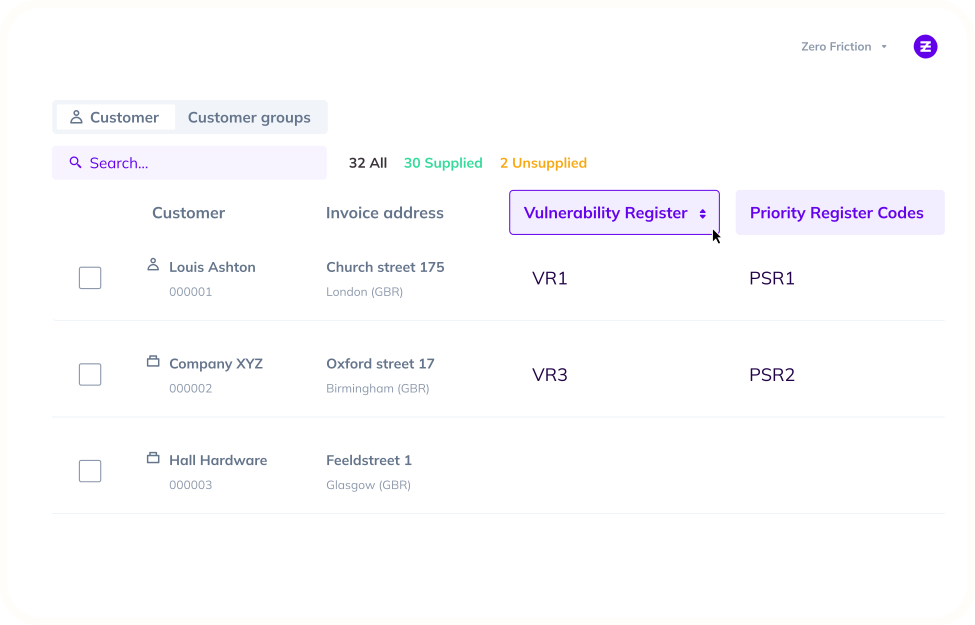
Register codes on the customer record
Every resident can carry their priority and vulnerability needs, in the same place your team already works:

Standard PSR codes (PSR1–PSR9) and VR codes ready from setup
Set or update codes per resident on the customer's Details tab
Bulk-load an existing register via import or API
The right residents,
one filter away
Before planned maintenance or during an outage, you need the list now, not after a spreadsheet merge:
Filter the customer list on priority register codes
Filter on vulnerability register codes
One up-to-date list for support, field teams and regulator questions


Ready on day one
For UK organisations, PSR and VR fields are created automatically at setup, with the standard code options already filled in. Nothing to build before you can start recording.

One customer view
Register codes sit next to the resident's contract, billing method and payment history. Whoever picks up the phone sees that a resident needs extra support before the conversation starts.

Mapped to how you work
Already use your own fields for this? Choose which customer properties represent PSR and VR codes under Country specifics, and the filters follow.

Open to your other systems
PSR and VR values are available through the API, so you can share them with outage tools, field service software or a CRM that applies your own rules.





Ready to keep your register next to your billing?
See how PSR and VR codes work in Zero Friction.